
The recent cyber incident at IDTZ in Germany highlights a problem many organisations still face: attackers gaining access to internal systems that should never have been reachable. While every breach is unique, the pattern is familiar. A device gets onto the network, credentials are misused, and attackers move laterally until they find something valuable. Breaking that chain is exactly what modern Network Access Control (NAC) is designed to do.
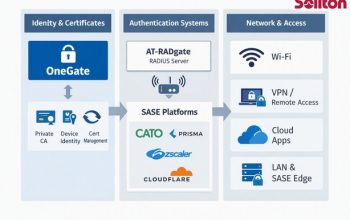
Soliton NetAttest EPS enforces Zero Trust at the network layer by ensuring that only trusted, compliant, certificate‑based devices can access corporate infrastructure. This approach closes off several of the pathways attackers typically rely on.
The first advantage is device identity. Many organisations still authenticate devices using passwords or shared secrets, which are easily stolen or reused on attacker hardware. EPS replaces passwords with strong, device‑bound certificates. A certificate cannot be phished or copied, meaning rogue devices simply cannot join the network.
The second advantage is segmentation. Once a device is authenticated, EPS automatically assigns it to the correct VLAN. Staff devices, guest devices, IoT equipment, and contractor laptops all receive different levels of access. This identity‑driven segmentation makes lateral movement far more difficult. Even if one device is compromised, attackers cannot freely pivot across the network.
EPS also enforces device posture. Before access is granted, the device must meet security requirements such as OS compliance and active protection. Outdated or insecure devices are quarantined until remediated, reducing the risk of compromise.
Could EPS have prevented the IDTZ breach entirely? No NAC solution can guarantee that. But if the attack involved unmanaged devices, stolen credentials, weak segmentation, or lateral movement, all common in incidents like this. EPS would have been a strong preventative control.